Getting creative with asciimg
A fun experiment in using text to render animated images in a terminal
A while back I wrote Asciimg, a minimalistic tool that can display images within a terminal. The tool implements a rudimentary dithering algorithm to translate colour intensities to ascii characters. I was recently playing around with it and thought of a few creative ways to put it to use.
The experiments presented below are of limited practicality, and the way they are implemented is not particularly efficient. they are however a lot of fun to play with. If you wish to try the examples yourself, the source code for Asciimg is available at Github.
Image slideshows
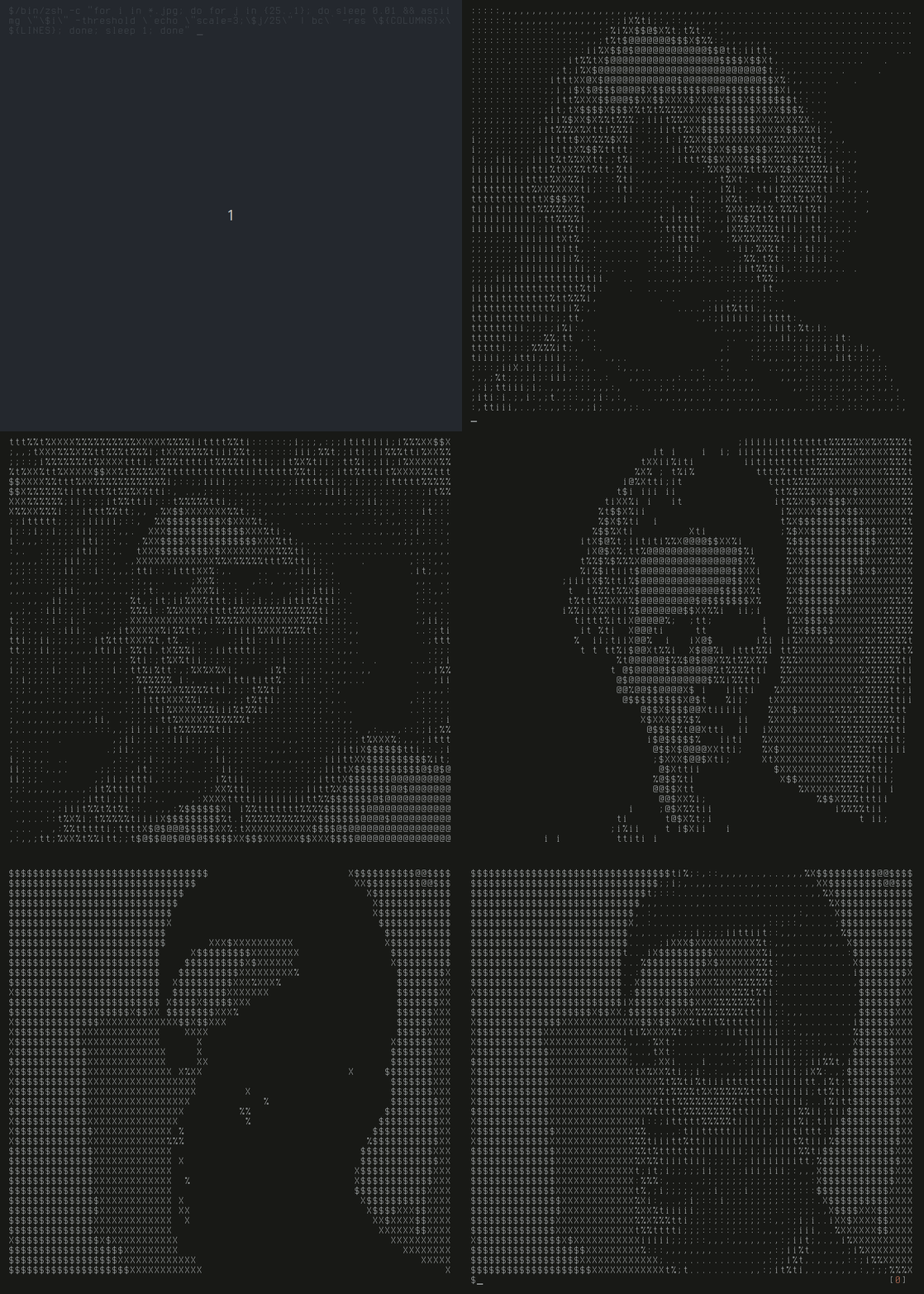
In this example I wanted to create a simple slideshow of a set of images. Asciimg’s threshold switch is used to create a fade-in effect while transitioning to each new image. To facilitate faster image loading and avoid putting unnecessary strain on my SSD, I create a ramdisk, and copy the images into the respective mapped directory.
$ sudo mkdir /tmp/ramdisk
$ sudo chmod 777 /tmp/ramdisk
$ sudo mount -t tmpfs -o size=1024m myramdisk /tmp/ramdisk
$ cd /tmp/ramdisk
The slideshow logic is straight forward and can be trivially implemented in any language. Here’s how to do it in a simple bash shell script one-liner:
$ for i in *.jpg; do for j in {25..1}; do sleep 0.02 && asciimg "$i" -threshold `echo "scale=3;$j/25" | bc` -res ${COLUMNS}x${LINES}; done; sleep 1; done This is what it looks like:
Videos
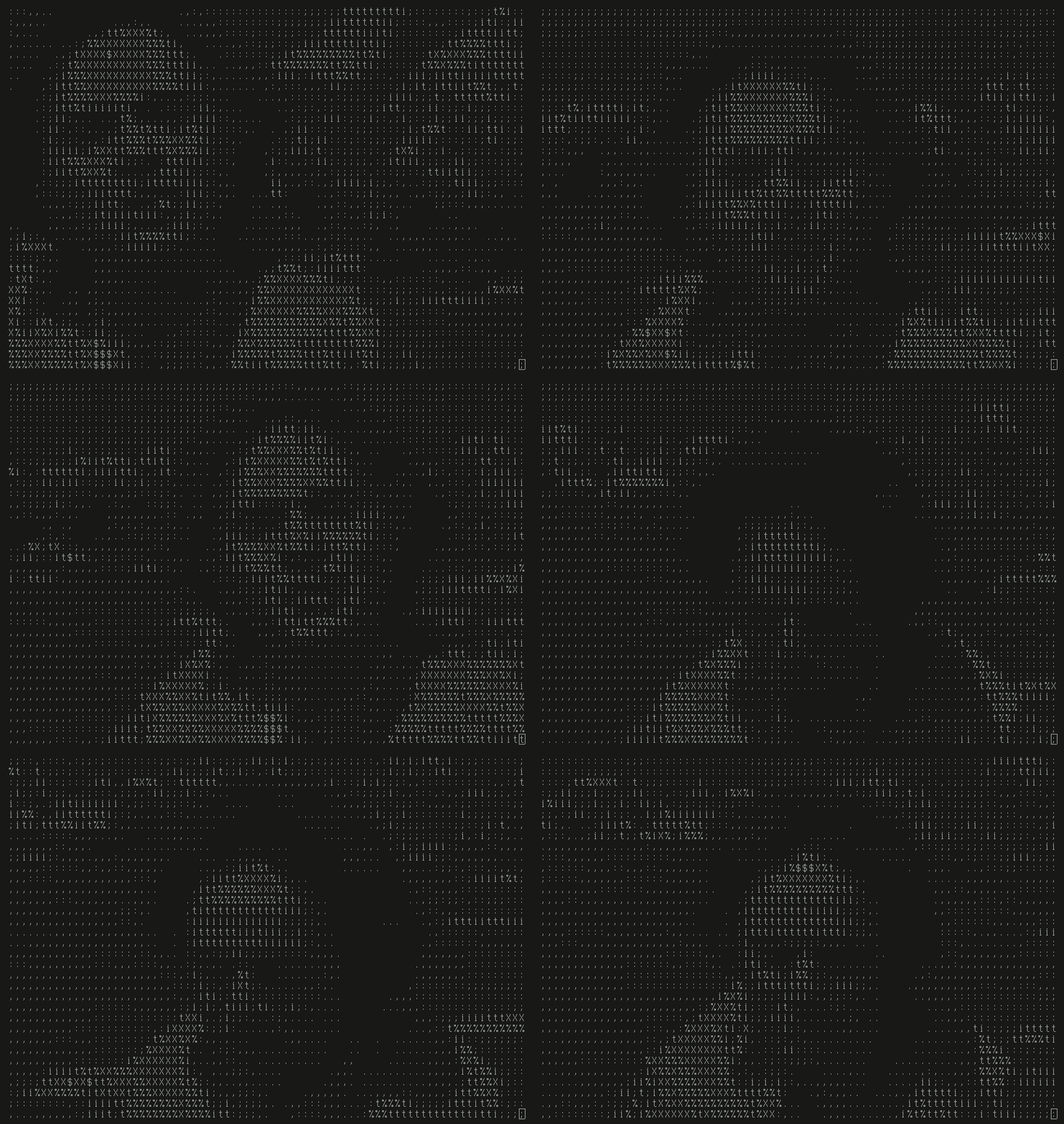
The next logical step is of course to try and play videos within the terminal. This example is slightly more elaborate. I use ffmpeg to read a video file and dump the frames read to an image file in the ramdisk I created above.
$ ffmpeg -re -i video.mp4 -y -update 1 -s 200x200 /tmp/ramdisk/frame.jpg
In another terminal I then use the watch tool to run Asciimg and display that image in the terminal every 0.1 seconds.
$ watch -n0.1 asciimg frame.jpg -res ${COLUMNS}x${LINES} To demonstrate this, I recorded a clip from Carl Sagan’s 1980 Cosmos series, episode 1: The shores of the cosmic ocean. This is what it looks like:
Comments